German Language Level Needed for Ausbildung & Visa (2026) | Malirosa Pvt Ltd
Share
German Language
7 min read
What German Level Do You Actually Need for Ausbildung, Work Visas, and Study in Germany?
Most people asking 'do I need German to go to Germany?' are really asking 'how much German do I need?' The answer depends entirely on your visa category. Here is the definitive breakdown.
Germany's Residence Act (Aufenthaltsgesetz §28 and §30) names the A1 language requirement for family reunion visas as a legal precondition, not a preference, before a spouse can even apply. At B1, the Skilled Worker Visa opens. At B2, the majority of Ausbildung employers will consider you competitive. Getting the level right from the start is not a detail. It determines your entire timeline. (Source: German Residence Act, 2023 amendment)
The level you need depends entirely on what you are going to Germany to do. A student joining an English-taught master's programme has different requirements from a nurse training in a German hospital. Most Sri Lankan candidates who struggle with visa applications have one thing in common: they aimed for the legal minimum, not the level that actually works in practice.
This guide maps every major German visa category to its actual language requirement, not just the minimum that might technically qualify you, but the level that gives you a realistic chance of success.
Understanding the CEFR Scale: What A1 Through C2 Actually Means
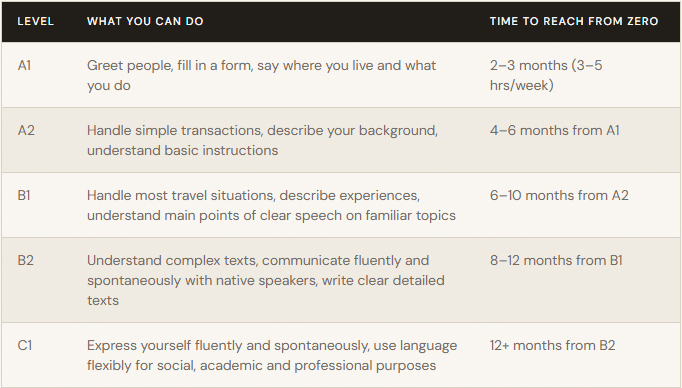
The Common European Framework of Reference (CEFR) is the international standard for measuring language ability. All German visa requirements reference this scale. Here is what each level means in practical terms:
German Level Requirements by Visa Category
Here is the realistic breakdown of what each major pathway requires. Pay attention to the difference between the official minimum and the practical requirement. Most candidates who struggle in Germany aimed for the minimum, not the level that actually works.
Ausbildung Visa: B1 Official, B2 Practical
The official minimum German requirement for an Ausbildung visa is typically B1. However, the actual training takes place in German: in the workplace and at the vocational school (Berufsschule). Candidates who arrive with only B1 often struggle in the classroom environment and with written assignments.
MALIROSA's recommendation is B2 before applying. Candidates who arrive at B2 consistently perform better in their first year. Employers who have trained international candidates will tell you the same. A B2 candidate is more likely to complete their Ausbildung successfully and build a long-term career in Germany.
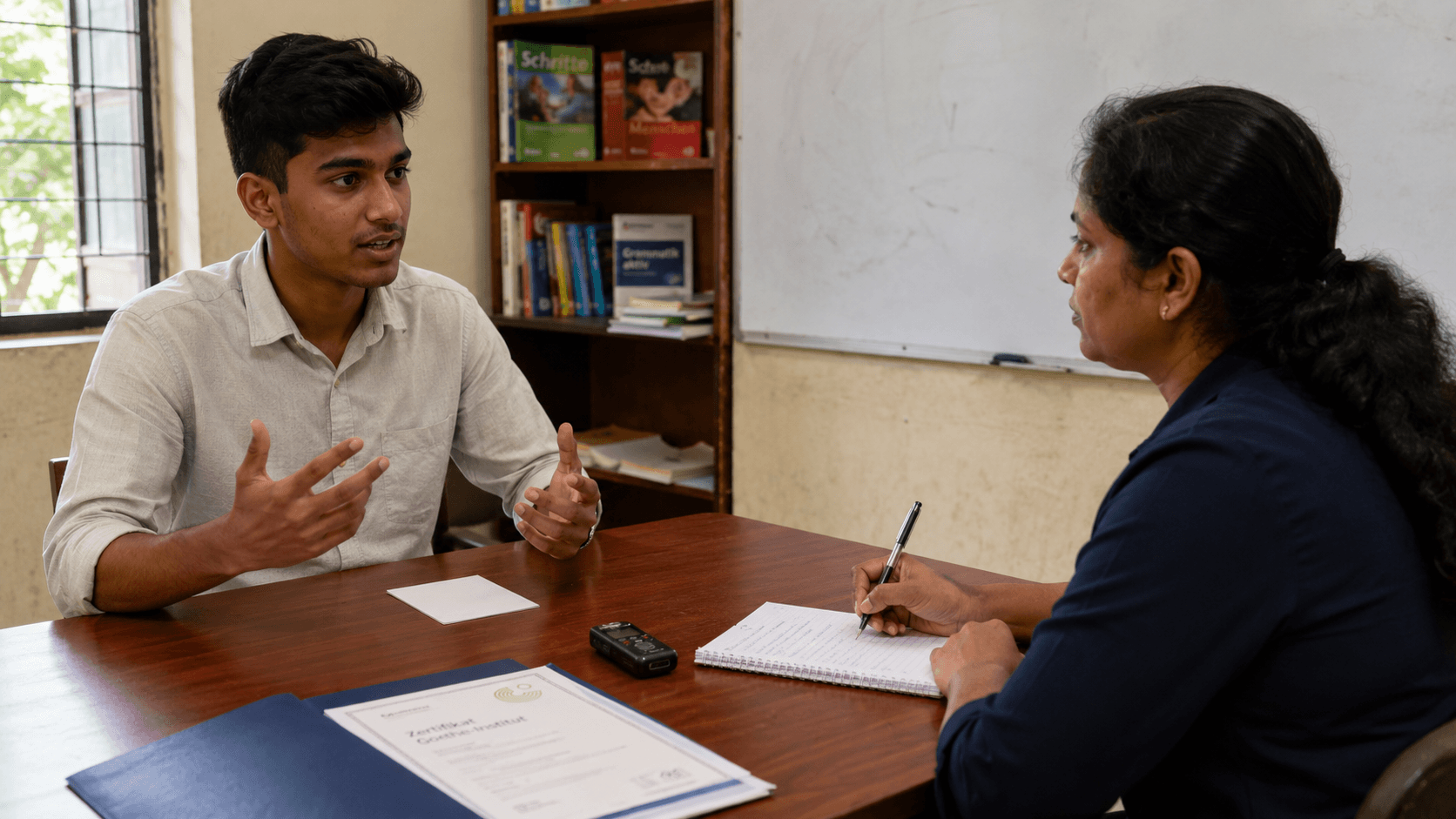
Accepted certificates: Goethe-Institut (A1–C2), ÖSD (A1–C2), TestDaF (B2–C1 range), telc (A1–C2). The Goethe-Institut certificates are the most widely recognised and accepted by German embassies.
Skilled Worker Visa: B1–B2 Depending on Profession
The Skilled Worker Visa (Fachkräftevisa) typically requires B1 for professions where work is primarily practical (logistics, certain technical roles) and B2 for roles requiring significant communication: nursing, healthcare, office management, customer-facing positions.
For nursing (Krankenpflege), Germany specifically requires B2 for the recognition process of foreign qualifications. Several German Länder (states) additionally require B2 for nursing registration. (Source: BAMF integration guidelines, 2024) Do not plan a nursing pathway to Germany without B2 German.
Opportunity Card (Chancenkarte): A2 Minimum, B1–B2 to Be Competitive
The Chancenkarte points system awards 1 point for A2 German and 2 points for B2 or higher. While A2 may technically help you qualify, the reality is that most German employers conducting interviews expect at least B1 in conversational ability. You will not find a job with A2 German in most sectors.
If you plan to use the Chancenkarte, treat the year in Germany as an opportunity to upgrade your German to B2 while job-seeking. MALIROSA recommends arriving with B1 at minimum and combining job applications with in-country language classes.
Student Visa: Depends Entirely on the Programme Language
German-taught university programmes typically require B2 or C1 German. English-taught master's programmes (of which Germany has hundreds) require IELTS 6.0–7.0 and may have no German requirement. Language Course Visas, which allow you to attend a German language school in Germany, require only A1.
If you are considering German university study, research your specific programme requirements. Many technical universities (TU Berlin, TU Munich, RWTH Aachen) offer English-taught engineering and tech programmes where German is not a prerequisite for admission, though daily life in Germany requires at least A2.
How to Reach B2 German from Zero: A Realistic Timeline
The most common mistake is underestimating how long good German takes. Here is a realistic roadmap based on studying 5–7 hours per week with structured instruction:
A1: 3 months of structured online classes. Focus: alphabet, basic grammar, everyday vocabulary. MALIROSA's A1 course covers this with practical speaking practice from week one.
A2: 5–6 months from A1. Focus: common conversations, simple reading, basic writing. Listening practice with German media (podcasts, Netflix with German subtitles) accelerates this stage.
B1: 8–10 months from A2. This is the most critical jump. B1 introduces complex grammar (Konjunktiv, Passiv), longer texts, and formal writing. Exam preparation practice is essential from month 2 of B1 study.
B2: 10–12 months from B1. Immersion becomes important here. Speak German whenever possible, read German news, watch German films without subtitles. MALIROSA's B2 course includes exam simulation and interview preparation.
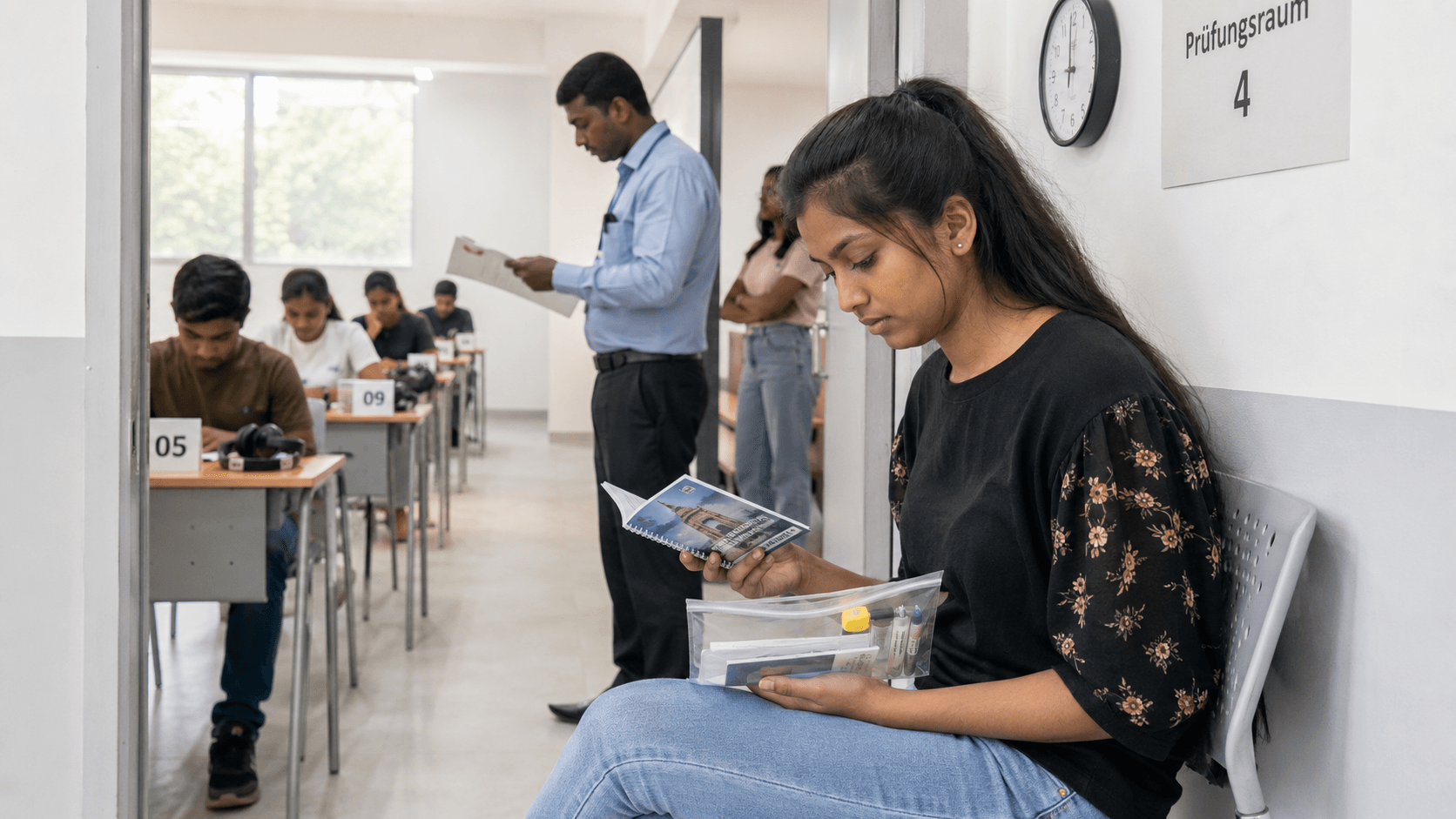
Exam booking: Book your Goethe or ÖSD exam approximately 8 weeks before you need the certificate, as preparation and result processing takes time.
MALIROSA's German Courses: Structured for the Germany Pathway
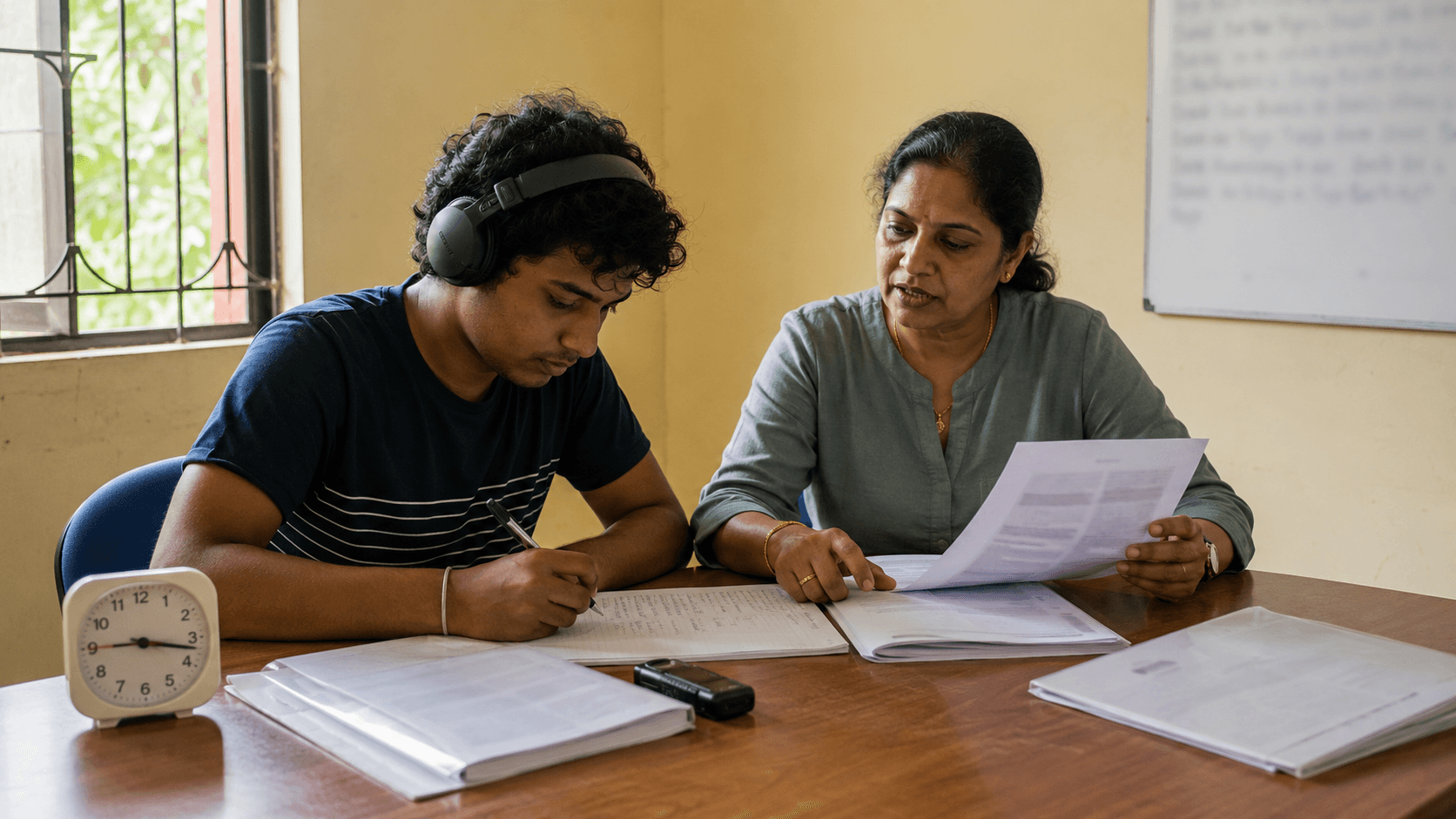
MALIROSA's German courses are not general language classes. They are designed specifically for candidates preparing for the German pathway. Exam preparation is built in from the beginning, and vocabulary prioritises workplace and visa-related communication.
All courses are online and available now. Classroom options in Sri Lanka are planned as MALIROSA expands its local training structure. Students can start at any level and progress through the full A1–B2 sequence with the same teaching team, building a relationship of trust and continuity throughout the journey.
German Level Requirements by Visa Category
Here is the realistic breakdown of what each major pathway requires. Pay attention to the difference between the official minimum and the practical requirement. Most candidates who struggle in Germany aimed for the minimum, not the level that actually works.
Ausbildung Visa: B1 Official, B2 Practical
The official minimum German requirement for an Ausbildung visa is typically B1. However, the actual training takes place in German: in the workplace and at the vocational school (Berufsschule). Candidates who arrive with only B1 often struggle in the classroom environment and with written assignments.
MALIROSA's recommendation is B2 before applying. Candidates who arrive at B2 consistently perform better in their first year. Employers who have trained international candidates will tell you the same. A B2 candidate is more likely to complete their Ausbildung successfully and build a long-term career in Germany.
Accepted certificates: Goethe-Institut (A1–C2), ÖSD (A1–C2), TestDaF (B2–C1 range), telc (A1–C2). The Goethe-Institut certificates are the most widely recognised and accepted by German embassies.
Skilled Worker Visa: B1–B2 Depending on Profession
The Skilled Worker Visa (Fachkräftevisa) typically requires B1 for professions where work is primarily practical (logistics, certain technical roles) and B2 for roles requiring significant communication: nursing, healthcare, office management, customer-facing positions.
For nursing (Krankenpflege), Germany specifically requires B2 for the recognition process of foreign qualifications. Several German Länder (states) additionally require B2 for nursing registration. (Source: BAMF integration guidelines, 2024) Do not plan a nursing pathway to Germany without B2 German.
Opportunity Card (Chancenkarte): A2 Minimum, B1–B2 to Be Competitive
The Chancenkarte points system awards 1 point for A2 German and 2 points for B2 or higher. While A2 may technically help you qualify, the reality is that most German employers conducting interviews expect at least B1 in conversational ability. You will not find a job with A2 German in most sectors.
If you plan to use the Chancenkarte, treat the year in Germany as an opportunity to upgrade your German to B2 while job-seeking. MALIROSA recommends arriving with B1 at minimum and combining job applications with in-country language classes.
Student Visa: Depends Entirely on the Programme Language
German-taught university programmes typically require B2 or C1 German. English-taught master's programmes (of which Germany has hundreds) require IELTS 6.0–7.0 and may have no German requirement. Language Course Visas, which allow you to attend a German language school in Germany, require only A1.
If you are considering German university study, research your specific programme requirements. Many technical universities (TU Berlin, TU Munich, RWTH Aachen) offer English-taught engineering and tech programmes where German is not a prerequisite for admission, though daily life in Germany requires at least A2.
How to Reach B2 German from Zero: A Realistic Timeline
The most common mistake is underestimating how long good German takes. Here is a realistic roadmap based on studying 5–7 hours per week with structured instruction:
A1: 3 months of structured online classes. Focus: alphabet, basic grammar, everyday vocabulary. MALIROSA's A1 course covers this with practical speaking practice from week one.
A2: 5–6 months from A1. Focus: common conversations, simple reading, basic writing. Listening practice with German media (podcasts, Netflix with German subtitles) accelerates this stage.
B1: 8–10 months from A2. This is the most critical jump. B1 introduces complex grammar (Konjunktiv, Passiv), longer texts, and formal writing. Exam preparation practice is essential from month 2 of B1 study.
B2: 10–12 months from B1. Immersion becomes important here. Speak German whenever possible, read German news, watch German films without subtitles. MALIROSA's B2 course includes exam simulation and interview preparation.
Exam booking: Book your Goethe or ÖSD exam approximately 8 weeks before you need the certificate, as preparation and result processing takes time.
MALIROSA's German Courses: Structured for the Germany Pathway
MALIROSA's German courses are not general language classes. They are designed specifically for candidates preparing for the German pathway. Exam preparation is built in from the beginning, and vocabulary prioritises workplace and visa-related communication.
All courses are online and available now. Classroom options in Sri Lanka are planned as MALIROSA expands its local training structure. Students can start at any level and progress through the full A1–B2 sequence with the same teaching team, building a relationship of trust and continuity throughout the journey.
Continue Your Journey
Structured A1–B2 courses built around real visa and career goals.
Robert Saiger is a co-founder of MALIROSA with a background in Industrial Engineering & Management and Certified Consultant & Coach. Based in Konstanz, Germany, he brings direct expertise in Germany visa pathways, employer expectations, and the Sri Lankan qualification system.
A2 is enough to apply for a Language Course Visa to study German in Germany, or to gain points on the Opportunity Card application. It is not sufficient for most work, Ausbildung, or study visas. For Ausbildung, B1 is the official minimum and B2 is the practical recommendation.
Which German certificate does the German Embassy accept?
The German Embassy accepts Goethe-Institut, ÖSD, telc, and TestDaF (university-level) certificates. The Goethe-Zertifikat is the most universally recognised across all visa categories. ÖSD and telc GmbH are equally valid for Ausbildung and work visas. (Source: German Embassy guidelines, 2024) Certificates must be originals; photocopies and digital-only certificates may not be accepted. Confirm the exact format requirement with the German Embassy Colombo when applying.
How long does it take to reach B1 German?
Starting from zero, reaching B1 typically takes 12–18 months with 5 hours of study per week. With more intensive study (10+ hours per week), some motivated candidates reach B1 in 10–12 months. The key factors are consistency, structured instruction, and regular speaking practice with a teacher.
Can I learn German online for the Ausbildung visa?
Yes. Online German courses are fully accepted for visa and Ausbildung applications. What matters is the certified exam result, not how you prepared for it. MALIROSA delivers all courses online, and graduates sit official Goethe or ÖSD exams at accredited centres in Sri Lanka.
Do I need German to do an English-taught master's degree in Germany?
Not necessarily. If your degree programme is fully English-taught, your language requirement is IELTS or TOEFL as specified by the university, not a German certificate. However, practical daily life in Germany (opening a bank account, communicating with authorities, grocery shopping) is considerably easier with at least A2 German.
Start Your German Journey Today. Online, From Sri Lanka.
Every month you wait is a month of language progress you do not make. MALIROSA's online German courses start at A1 and take you through to B2 with structured lessons, speaking practice, and exam preparation built in. Register your interest and our team will contact you with course details, pricing, and a start date.
How to Pass the German B2 Exam from Sri Lanka: Goethe B2 vs OSD B2 Compared
B2 is the gateway to university admission in Germany, most skilled worker visas, and healthcare and IT Ausbildung contracts. If you are preparing from Sri Lanka, this guide covers exactly what B2 requires, how the Goethe B2 and OSD B2 compare in Sri Lanka, exam fees, registration, and a realistic preparation timeline from B1 to pass.
What German Language Level Do You Need for Ausbildung in Germany?
The German language requirement is the single biggest factor that determines whether a Sri Lankan candidate can pursue Ausbildung in Germany. Here is exactly what level you need, why it matters, and how long it takes to get there.
10 min read
German Language
Goethe Exam Sri Lanka 2026: Dates, Fees and How to Register
The Goethe-Zertifikat is written into Germany's immigration law by name for family reunion visas. It is accepted for every other visa category too. This guide covers the 2026 fees in LKR, how to register at Goethe-Institut Colombo, what the exam actually tests, and the honest preparation timeline for A1 to B2.
9 min read
Our Story
Two Worlds, One Purpose: The Story Behind MALIROSA
MALIROSA grew from a decade of living the exact journey that our candidates are about to begin: between Sri Lanka and Germany, between two cultures, two languages, and two very different sets of expectations.
5 min read
Visa & Pathways
Family Reunion Visa Germany: Who Can Apply, What Is Required, and How Long It Takes
Germany granted over 100,000 family reunion visas in 2023. Most applicants wait between three and twelve months for an appointment at the German Embassy. Understanding the requirements before you apply can cut that wait significantly.